Subtotal $0.00

- info@pharmoss.org
- 1st Floor, B-10, Block 16, WCHS, KDA Scheme No.24, Karachi

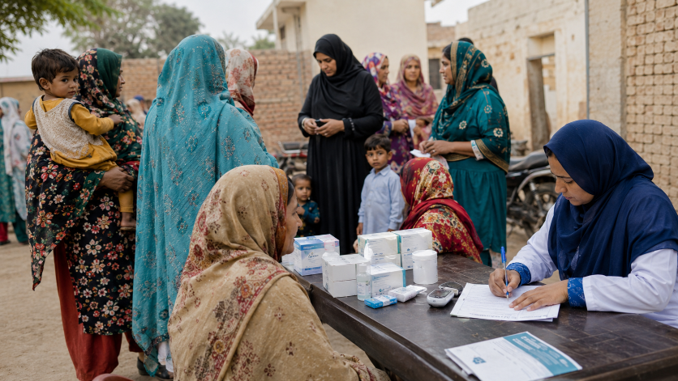
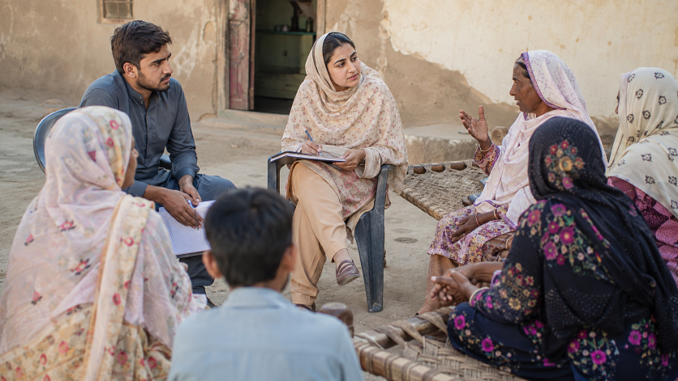

Every engagement begins by developing a clear understanding of the challenge and the environment surrounding it. Depending on the programme, this can involve literature and evidence review, stakeholder consultations, community engagement, baseline assessments, surveys and field research, existing data analysis, facility or service mapping and policy/programme review.

Once the challenge is understood, we work with partners to develop an appropriate response. This can include programme objectives, target populations, Theory of Change, results framework, implementation model, activities and workplans, monitoring indicators, stakeholder roles, resource requirements, risk considerations and sustainability planning.

Programme implementation requires coordination across people, organizations, systems and locations. Pharmoss can support project management, partner coordination, field-team deployment, data-collection operations, training, community engagement, stakeholder management, technical implementation, digital-system deployment, operational monitoring and reporting.

Monitoring and learning should not begin at the end of a project. Where appropriate, we establish measurement mechanisms from the programme’s design stage so that partners can understand progress throughout implementation. This can include indicator tracking, data-quality review, dashboards, process and outcome evaluation, feedback, lessons learned and recommendations for scale or adaptation.

Research & Needs

Plan & Indicators
Implementation

Learn & Improve

Translating development priorities into practical programmes with clearly defined objectives, target populations, activities, timelines, responsibilities and measurable results. Where required, this can include Theory of Change, logical frameworks, results frameworks, implementation plans and monitoring structures.

Designing and conducting research that helps partners understand populations, systems, markets, services and development challenges through quantitative, qualitative or mixed-method approaches.

Building systems that show whether activities are being delivered, who is being reached and what results are being achieved from indicator frameworks and data systems to baseline/endline studies, dashboards, evaluations and learning reports.

Using appropriate IT tools to improve data collection, programme monitoring and decision-making, including digital surveys, monitoring platforms, analytical dashboards, data visualization and custom decision-support solutions.

Providing operational support for programme implementation, including project coordination, field-team management, training, community engagement, stakeholder coordination and implementation monitoring.

Supporting organizations and programme teams through training, technical assistance, systems development, process strengthening and knowledge transfer.

Our teams work within the realities of Pakistan’s healthcare, institutional and community environments. Local understanding helps programmes move beyond theoretical solutions toward interventions that can operate effectively within real-world constraints.
Complex development challenges require more than one type of expertise. Our work can bring together research, public health, data, technology, market understanding, project management, field operations, training and stakeholder engagement.

We use research, data and field insight to understand challenges and guide programme decisions, enabling partners to make decisions based on evidence rather than assumptions.

Partners can work with Pharmoss across multiple stages of a project rather than coordinating several disconnected service providers.

We work collaboratively with government institutions, development organizations, technical experts, private-sector partners and communities.
We encourage clear objectives, practical indicators and meaningful monitoring so that progress can be demonstrated, understood and improved.